· Systems · 5 min read
Every Optimization Creates a New Blind Spot
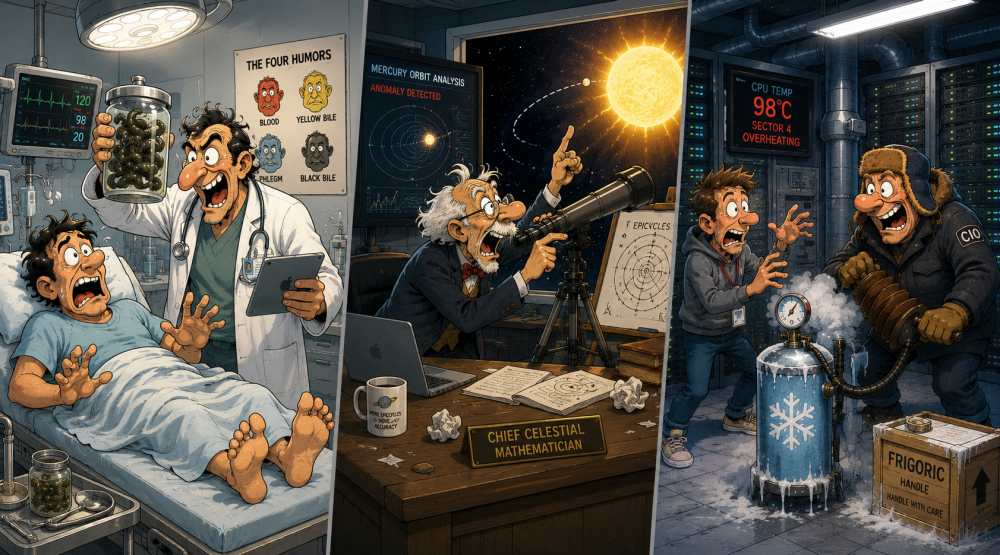
Every optimization creates a new blind spot. It's the unspoken tax of systemic design — and it's been killing projects, supply chains, and occasionally, entire populations.
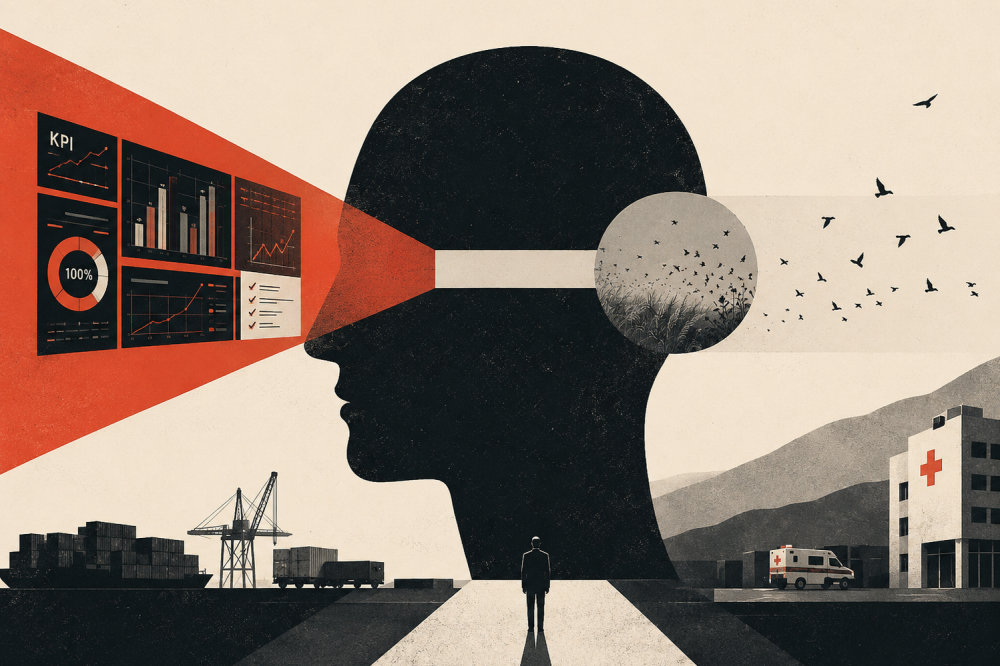
Every optimization creates a new blind spot. It’s the unspoken tax of systemic design. Many project managers and architects reach a point where they develop a distinct, dangerous tunnel vision. They fixate on one aspect of a problem, optimize the hell out of it, and conveniently ignore the carnage left in their wake. It’s an understandable instinct; reality is messy, and a single, clean metric feels like a lighthouse in a storm. The problem is that reality has a nasty habit of ignoring your dashboard.
The Sparrows of Systemic Failure
If you want to see where this path leads, look at China’s “Four Pests” campaign in the 1950s. Sparrows were designated as one of those “pests.” They were responsible for eating too much grain, so the state mobilized the populace to eradicate them. Over a billion birds were killed.
But it turned out that sparrows also eat insects—lots of them. Without their natural predator, locust populations exploded, devouring more crops than the sparrows ever dreamed of stealing. The result? The Great Famine of 1958–1962. It wasn’t “bad luck.” It was a triumph of systems thinking for toddlers: they optimized for grain output and created a blind spot that looked like a plague of insects.
Optimizing for Dashboards, Not Reality
We love to think we’re smarter than that, but we’re just optimizing for different pests. Take the logistics industry. For years, the mantra was hyper-efficiency: keep storage costs at zero and move goods as fast as possible. We built the world’s most complicated, leanest supply chains—which promptly collapsed the moment COVID-19 hit. We optimized for cost, but ignored resilience, only to realize that “Just-in-Time” is useless if your supply chain is “Never-in-Time.”
The healthcare sector isn’t immune to this madness either. Consider the “four-hour target” implemented in hospitals like Staffordshire in the mid-2000s. The goal was to ensure patients spent no more than four hours in the A&E department. A laudable goal, sure. But the blind spot? Hospitals started leaving patients sitting in ambulances in the parking lot to keep the “waiting room clock” from ticking over. They didn’t optimize for the patient; they optimized for the clock.
The Metric-Obsessed Tech Stack
And then there’s the tech industry’s favorite hobby: optimizing metrics into oblivion. Social media platforms optimized for engagement. The result? A digital landscape where nuanced truth has no chance against the raw, dopamine-triggering power of outrage. You didn’t break the internet by accident; you built it to reward exactly the behavior you’re now complaining about.
The consequences don’t stay on-screen, either. The 2023 Slovak parliamentary election is a clean case study. Disinformation campaigns—amplified by the same engagement-maximizing algorithms—spread fabricated audio and deepfakes in the final days before the vote, specifically targeting the electorate’s anxieties. The platforms weren’t exploited despite their design; they worked exactly as designed. Outrage travels faster than corrections. That’s not a bug. It’s a feature of the engagement-first architecture that someone, somewhere, put into a product spec.
Agile is the same story. The religion here is velocity. We chase the number of tickets closed, ignoring that software isn’t just about output—it’s about maintainability, stability, and future-proofing. I don’t know a single “Agile” organization that treats technical debt as anything other than a polite fiction they’ll deal with “next sprint.”
The newest trend? AI-assisted coding. We’re back to celebrating Lines of Code as a metric for productivity—a zombie statistic debunked back in the 1980s. We’re shipping more code, faster, but we’ve offloaded understanding to a black box. We’re optimizing for shipping, not for knowing what we’ve actually shipped.
The TTD Trap
Even our operational metrics are traps. The hunt for a minimal “Time to Detect” leads directly to alert fatigue, where engineers are so buried in false positives that they eventually stop looking at the dashboard entirely. I’ve covered the disastrous consequences of this obsession in detail in The TTD Trap: Why Your Dashboard is Lying to You (and Your Engineers are Tired). When the dashboard becomes the mission rather than the tool, you’ve already lost.
The Cost of Ignoring the Shadow
The list goes on, but the trend is undeniable. In none of these cases—okay, mostly none—was the decision-maker necessarily stupid. Often, they were very intelligent people: MBAs, architects, politicians, who just fell for the trap of focusing on a single, quantifiable parameter. This approach works for A/B testing a button color, but it is a catastrophic way to manage a complex, interconnected system.
The advice is simple, even if it feels counterintuitive: next time you design a solution, stop asking how to maximize your primary metric for ten minutes.
_Ask what it’s going to break. _
Ask what you’re choosing to ignore.
Yes, that will slow you down. It will feel like friction. But that friction is actually a feature, not a bug. It’s the cost of avoiding the inevitable, systemic collapse that comes when your blind spot finally gets big enough to bite back.
Several of the failure cases described here are covered in more detail in Fuckup Almanac Vol. 2: Stuff We Built on Top. If you find this kind of post-mortem thinking useful, you might find the book worth your time.