Vision is the Only Scarce Resource: What We Actually Need to Protect
After dismantling the myth of originality for four episodes, it’s time for the punchline: creativity isn’t under threat. Our ability to distinguish a vision from its imitation is.

After dismantling the myth of originality for four episodes, it’s time for the punchline: creativity isn’t under threat. Our ability to distinguish a vision from its imitation is.

We've turned "frictionless" into a religion. But a system with zero resistance is just a system waiting to slide off a cliff. Maybe we've accidentally engineered our own stupidity.

When the comedy group Axis of Awesome performs their famous "4 Chords" medley, the audience usually goes through two distinct phases.

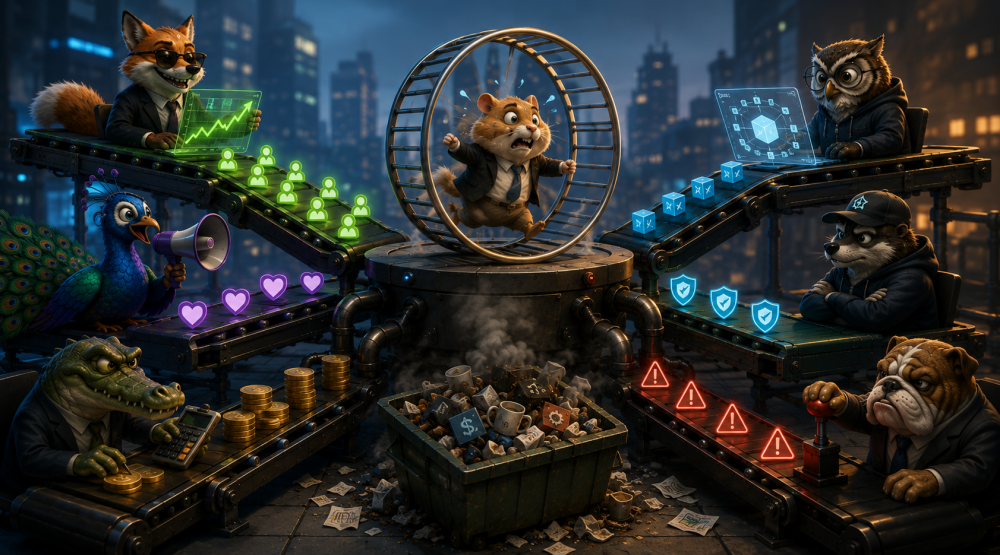
We were promised a 15-hour workweek and a paradise of leisure. Instead, we got "AI Brain Fry" and an infinite mountain of automated slop to verify. Here’s why making things efficient is the worst thing to happen to your free time since the invention of the CC button.

If we strip away the romantic fluff, art history is nothing more than the evolution of computer graphics—just stretched over thousands of years because the hardware was garbage.

They say success is a lousy teacher, but failure? Failure is a goldmine. What started as a few LinkedIn posts quickly escalated into a 500-page exploration of digital chaos.

We are terrified that AI is blindly recombining data. But between Jung’s archetypes and Campbell’s monomyth, we might just be scared that it’s doing exactly what we do—only faster.

We love to hate jargon. But in a world where attention is the scarcest resource, specialized language isn't just annoying—it's a necessary compression algorithm.

We think we invented data protection in the age of CPUs. We didn't. We just gave fancy names to tricks used by 17th-century mapmakers and paranoid monks.

After weeks of dissecting corporate hierarchies and AI hype, let's ground ourselves in the basics of internet plumbing.