


Tesler's Law: Complexity's Enduring Burden
Larry Tesler gave us cut, copy, and paste. He also gave us an uncomfortable truth: complexity never disappears. It just moves. The only question is who gets stuck with it.
Larry Tesler gave us cut, copy, and paste. He also gave us an uncomfortable truth: complexity never disappears. It just moves. The only question is who gets stuck with it.

Everyone loves a low TTD. Management strokes their egos over it, dashboards celebrate it, and alert systems multiply to chase it. Here is why that is the wrong metric entirely.
"I finished" is the most dangerous lie in tech. In software, "Done" is a spectrum. Are you shipping a Hope-Driven Deliverable or reaching the true peak of Triple D?

Right now, the software industry is about to step on the same rake. Again. We’ve spent 150 years assuming that swapping one component for a faster one would magically fix the economy.
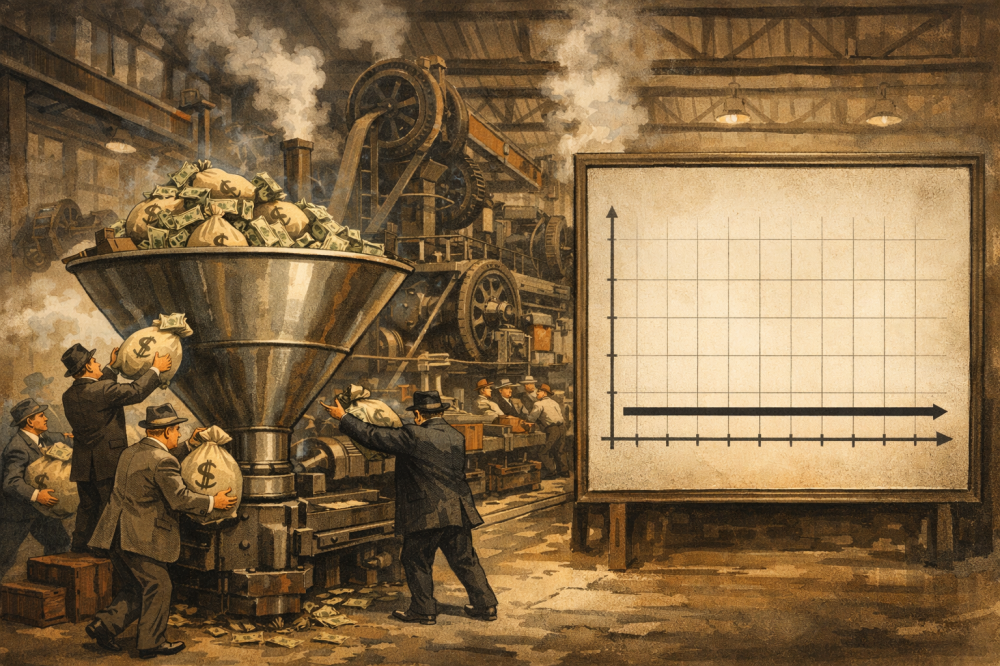
Technology doesn't cause an explosion of productivity by itself. Unlocking the value requires a total system reboot.
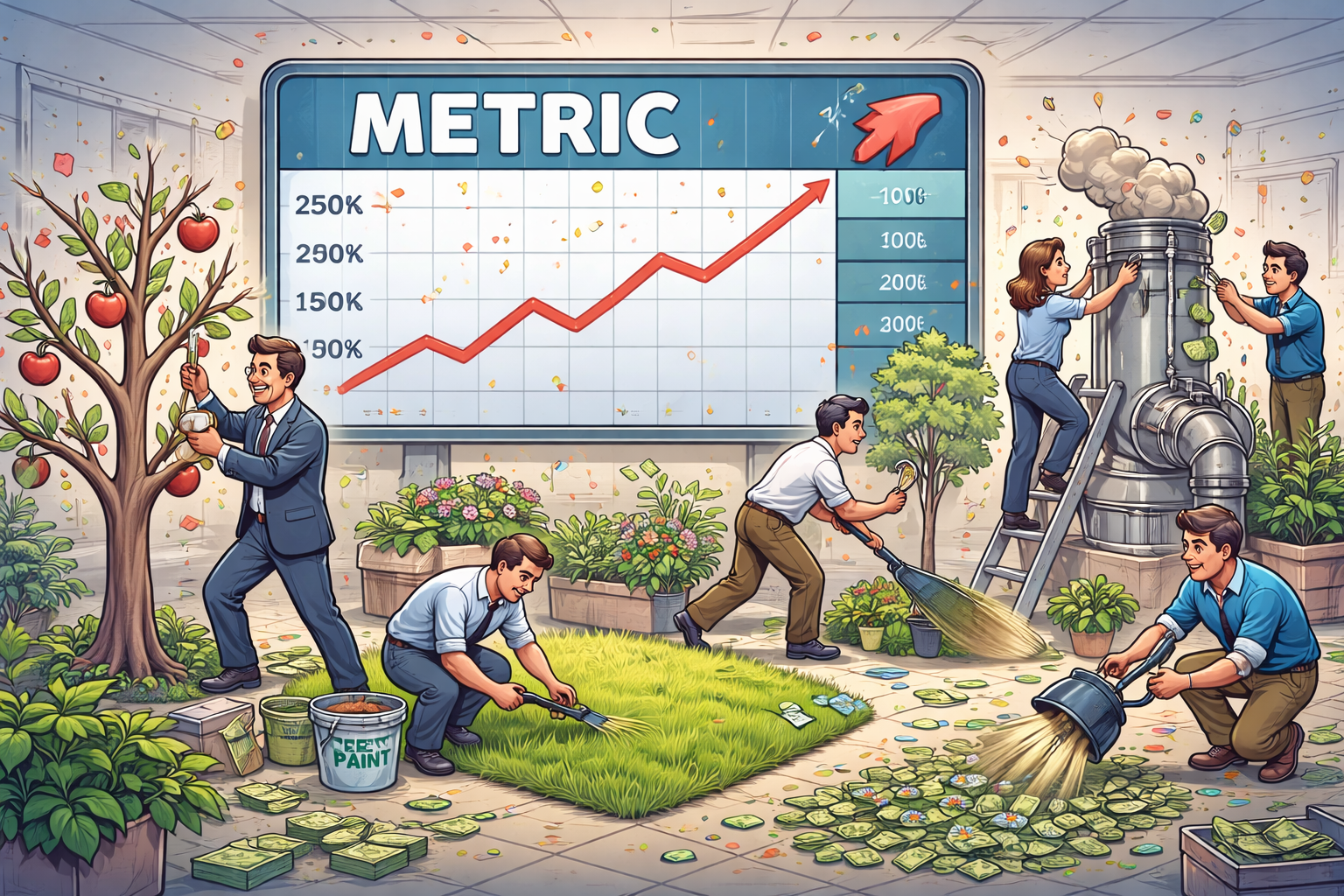
Why we measure everything and why it's not always a good thing.

Why normalization is not always the answer and when denormalization makes sense.

After dismantling the myth of originality for four episodes, it’s time for the punchline: creativity isn’t under threat. Our ability to distinguish a vision from its imitation is.
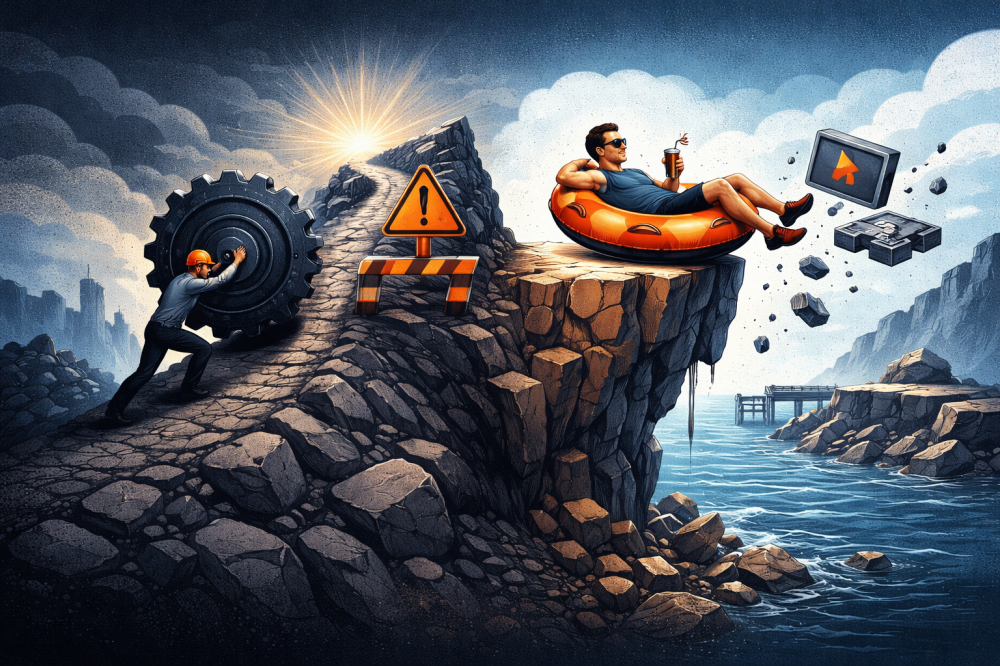
We've turned "frictionless" into a religion. But a system with zero resistance is just a system waiting to slide off a cliff. Maybe we've accidentally engineered our own stupidity.

When the comedy group Axis of Awesome performs their famous "4 Chords" medley, the audience usually goes through two distinct phases.